%2Ffit-in%2F250x250%2Fguide_websites%2F2181%2Fimages%2F71f7366f-4462-41bf-baa4-75fd71755bb5-0-2logo-20221214_075725-removebg-preview.png&w=1920&q=100)
/users/eddde512-c8aa-478b-970c-fff22fe14335/ratecard/0e3cf641-1e7e-4aa9-a758-48659270f949.jpeg)
%2F300x300%2Fusers%2Feddde512-c8aa-478b-970c-fff22fe14335%2Fratecard%2F0e3cf641-1e7e-4aa9-a758-48659270f949.jpeg&w=256&q=75)
%2Ffilters%3Aformat(webp)%2F300x300%2F172ff1b1-34b5-4232-9524-671894412768%2Freport%2Fsocial%2Fimages%2Freport%2Ffish-finder-depth-temperature-screen-3288.png&w=256&q=75)
%2Ffilters%3Aformat(webp)%2F300x300%2F5b51bac7-c63c-4726-afe4-9e23660b820a%2Freport%2Fsocial%2Fimages%2Freport%2Fbest-mahi-mahi-fishing-adventure-9869.png&w=256&q=75)
%2Ffilters%3Aformat(webp)%2F300x300%2F41862782-272a-4804-92d4-49086943af73%2Freport%2Fsocial%2Fimages%2Freport%2Fsebastian-mahi-mahi-fishing-deep-3098.png&w=256&q=75)
%2Ffilters%3Aformat(webp)%2F300x300%2F41862782-272a-4804-92d4-49086943af73%2Freport%2Fsocial%2Fimages%2Freport%2Fsebastian-mahi-fishing-deep-sea-3315.png&w=256&q=75)
%2Ffilters%3Aformat(webp)%2F300x300%2F41862782-272a-4804-92d4-49086943af73%2Freport%2Fsocial%2Fimages%2Freport%2Fsebastian-deep-sea-fishing-cloudy-12919.png&w=256&q=75)
%2Ffilters%3Aformat(webp)%2F300x300%2F41862782-272a-4804-92d4-49086943af73%2Freport%2Fsocial%2Fimages%2Freport%2Fmahi-mahi-sebastian-deep-sea-7325.png&w=256&q=75)
%2Ffilters%3Aformat(webp)%2F300x300%2F41862782-272a-4804-92d4-49086943af73%2Freport%2Fsocial%2Fimages%2Freport%2Fmahi-mahi-indian-river-fishing-7313.png&w=256&q=75)
%2Ffilters%3Aformat(webp)%2F300x300%2F41862782-272a-4804-92d4-49086943af73%2Freport%2Fsocial%2Fimages%2Freport%2Fmahi-mahi-fishing-sebastian-fl-11031.png&w=256&q=75)
%2Ffilters%3Aformat(webp)%2F300x300%2F41862782-272a-4804-92d4-49086943af73%2Freport%2Fsocial%2Fimages%2Freport%2Fmahi-mahi-deep-sea-fishing-6799.png&w=256&q=75)
%2Ffilters%3Aformat(webp)%2F300x300%2F41862782-272a-4804-92d4-49086943af73%2Freport%2Fsocial%2Fimages%2Freport%2Fmahi-barracuda-catch-indian-river-12382.png&w=256&q=75)
Deep Water Fishing: 9-Hour Stuart Adventure

 Sebastian, FL
What you will be catching:
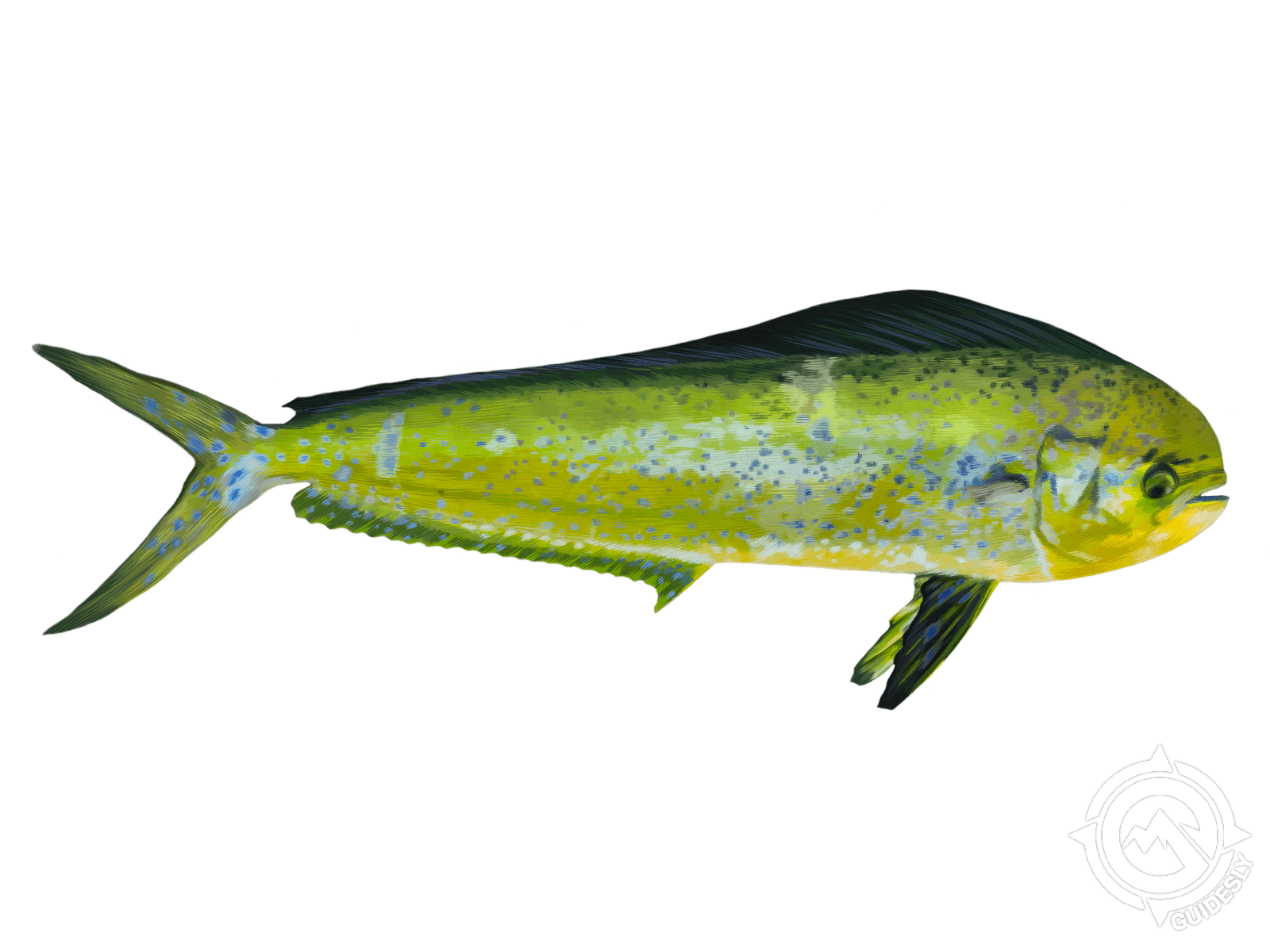
 Mahi Mahi or Common Dolphinfish
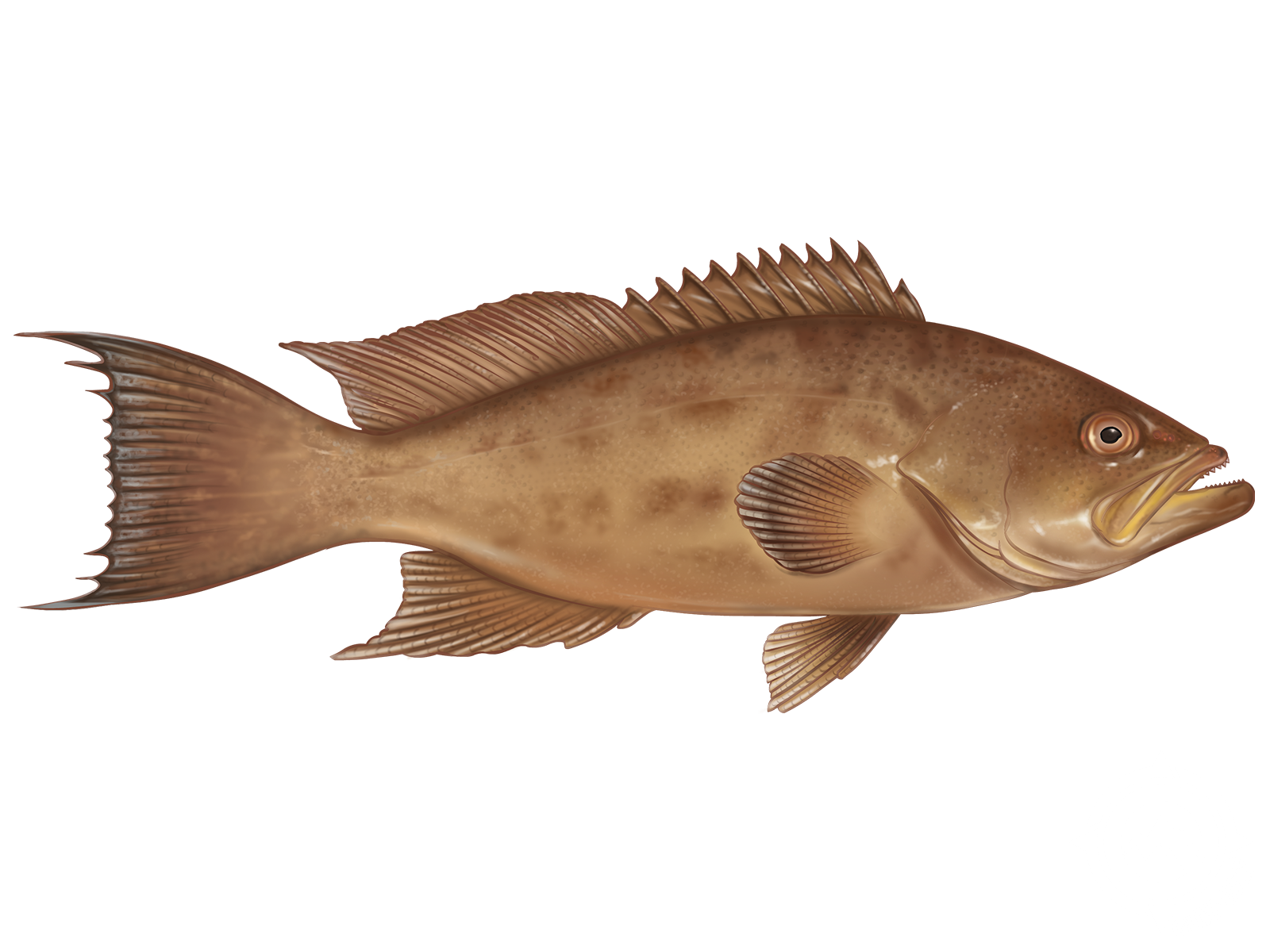 Scamp Grouper
 Snowy Grouper
 Wahoo Fish
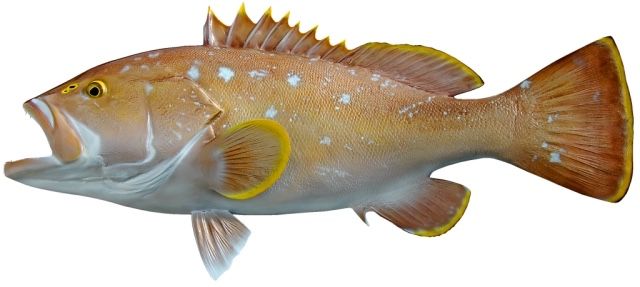 Yellowedge Grouper
- 9-hour deep sea fishing expedition targeting grouper and tile fish
- Maximum 4 guests with specialized electric reels for 850-foot depths
- Departure from Mulligans restaurant parking lot, slip #34
Trip Pricing and Availabilities:
9 Hour Deep Water Trip with AA Fishing Charter
Get ready for a serious day of offshore fishing that'll take you from the familiar coastline into the deep blue where the big fish live. This 9-hour adventure with AA Fishing Charter pushes out to depths reaching 850 feet, where grouper and tile fish patrol the bottom and pelagics cruise the upper water column. We're talking about real deepwater fishing here – the kind where you drop lines into water so deep you can't see the bottom, and every hookup could be the fish of a lifetime. Starting from Mulligans restaurant parking lot at slip #34, you'll head out with a captain who knows these waters like the back of his hand and isn't afraid to run the extra miles to find where the fish are biting.
What to Expect on the Water
This isn't your typical half-day trip where you stay close to shore and hope for the best. We're running hard offshore to reach those prime deepwater spots that most boats never see. The day starts early – and I mean early – because covering this much water takes time, and the best fishing often happens when other boats are still tied to the dock. You'll be fishing in depths that range from 200 feet all the way down to 850 feet, which means you're targeting completely different species than the inshore crowd. The boat accommodates up to 4 anglers, so you're not fighting for rail space like on those packed party boats. Bring your own food and drinks because we're not providing meals – but trust me, when you're hooked up to a monster grouper 600 feet down, the last thing on your mind will be lunch. The meeting spot is straightforward: park at Mulligans restaurant, go through the white gate on the left side, and walk the dock to the far end where you'll find slip #34.
Deep Dropping & Gear Setup
Here's where this trip really shines – we've got electric reels specifically rigged for deep dropping, which is a game-changer when you're fishing these depths. Forget about cranking up a 20-pound grouper by hand from 700 feet down; these electric reels do the heavy lifting while you focus on fighting the fish. We're using heavy tackle and serious weights to get down fast and stay down in the current. The technique is all about precision – finding the right structure on the bottom, getting your bait into the strike zone, and knowing when to set the hook on a fish that's swimming in water deeper than most skyscrapers are tall. We'll be targeting different levels of the water column throughout the day, from bottom fishing for grouper and tiles to working the mid-water zones where wahoo and mahi might be cruising. The captain knows how to read the electronics and find the kind of structure that holds fish, whether it's ledges, wrecks, or natural bottom formations that concentrate baitfish and attract predators.
Customer Stories
"It was a great day on the water! The fishing was hard but they worked to find the fish! I'll definitely be calling them again when I get back to FL!" - Dominique. "Was disappointed with the trip. It was like I paid for a 9 hour boat ride to watch you and your wife fish. I felt like I was in the way. I understand that fishing is something you have no garentees" - David.
Species You'll Want to Hook
Mahi Mahi, also known as Common Dolphinfish, are the acrobats of the offshore world and one of the most exciting fish you can hook. These bright gold and green beauties love floating debris, weed lines, and temperature breaks, often traveling in schools that can provide non-stop action when you find them. Peak season runs from late spring through early fall, with fish ranging from small schoolies around 10 pounds to bull dolphins pushing 40-50 pounds. What makes mahi so special is their aggressive nature and spectacular jumps – they'll clear the water multiple times during a fight, shaking their heads and putting on a show that'll get your adrenaline pumping. Plus, they're absolutely delicious on the table, with firm white meat that's perfect for grilling or blackening.
Wahoo are the speed demons of the deep, capable of hitting 60+ mph and making blistering runs that'll test your drag settings and your nerves. These torpedo-shaped predators patrol the offshore waters year-round in this area, but fall and winter months typically produce the largest fish, with specimens over 80 pounds not uncommon. Wahoo have razor-sharp teeth and a mouth full of attitude – they'll cut through wire leaders like butter if you're not prepared. The fight is all about that initial run; they'll peel off 200-300 yards of line faster than you can blink, then settle into a strong, steady pull back to the boat. The meat is outstanding – firm, white, and perfect for sushi or searing, making wahoo one of the most prized catches for both sport and the dinner table.
Snowy Grouper are the ghosts of the deep, living in depths from 300-1,200 feet where the water stays cold and dark year-round. These fish can live over 100 years and grow to impressive sizes, with specimens over 50 pounds caught regularly in our area. What makes snowy grouper special is their pure white meat and the challenge of getting them up from extreme depths – they're notorious for finding holes and caves to hide in once hooked. The best fishing for snowies happens during winter months when they move into slightly shallower water to spawn. Their fight is more about raw power and stubbornness than speed; they'll use every rock, ledge, and cave on the bottom to try and break you off.
Yellowedge Grouper are another deepwater favorite, typically found in 200-600 feet of water around rocky bottom and structure. These fish have a distinctive yellow edge on their fins and can reach weights over 40 pounds, though most catches range from 5-20 pounds. They
Customer Reviews
Great Day Found Fish

Dominique Lewis
August 30, 2025
Felt Like Third Wheel
Was disappointed with the trip. It was like I paid for a 9 hour boat ride to watch you and your wife fish. I felt like I was in the way. I understand that fishing is something you have no garentees
David Sedlik
August 15, 2025
Learn more about the species
Mahi Mahi or Common Dolphinfish
These golden beauties are some of the most colorful fish you'll see on our trips. Mahi run 15-30 pounds on average, though we've seen them hit 40+ pounds. They're surface dwellers that love floating debris and weed lines in warm offshore waters. Best fishing is spring through fall when water temps are up. What makes them special is that incredible light show they put on - brilliant blues, greens, and golds that change right before your eyes when you bring them boatside. They fight hard with lots of jumps and runs, plus the meat is fantastic - firm, white, and mild. Pro tip: when you hook one, leave your other lines out because mahi often travel in schools and you might double or triple up.
Scamp Grouper
Scamp grouper are the table fare champions of the grouper family - many folks call them "captain's meat" because that's what gets served to the boat captain. They run smaller than their cousins, typically 4-6 pounds, but what they lack in size they make up for in taste. You'll find them in 75-300 feet around rocks, ledges, and wrecks where they ambush prey. Spawning season from February through May brings them shallower and more active. They're slow but incredibly strong swimmers, so expect a solid fight even from smaller fish. Those elongated tail rays make them easy to identify. Live pinfish or sardines work great, and don't underestimate your tackle needs - even a 5-pounder will test your drag. Fish right on the bottom near structure and be ready to horse them away from cover.
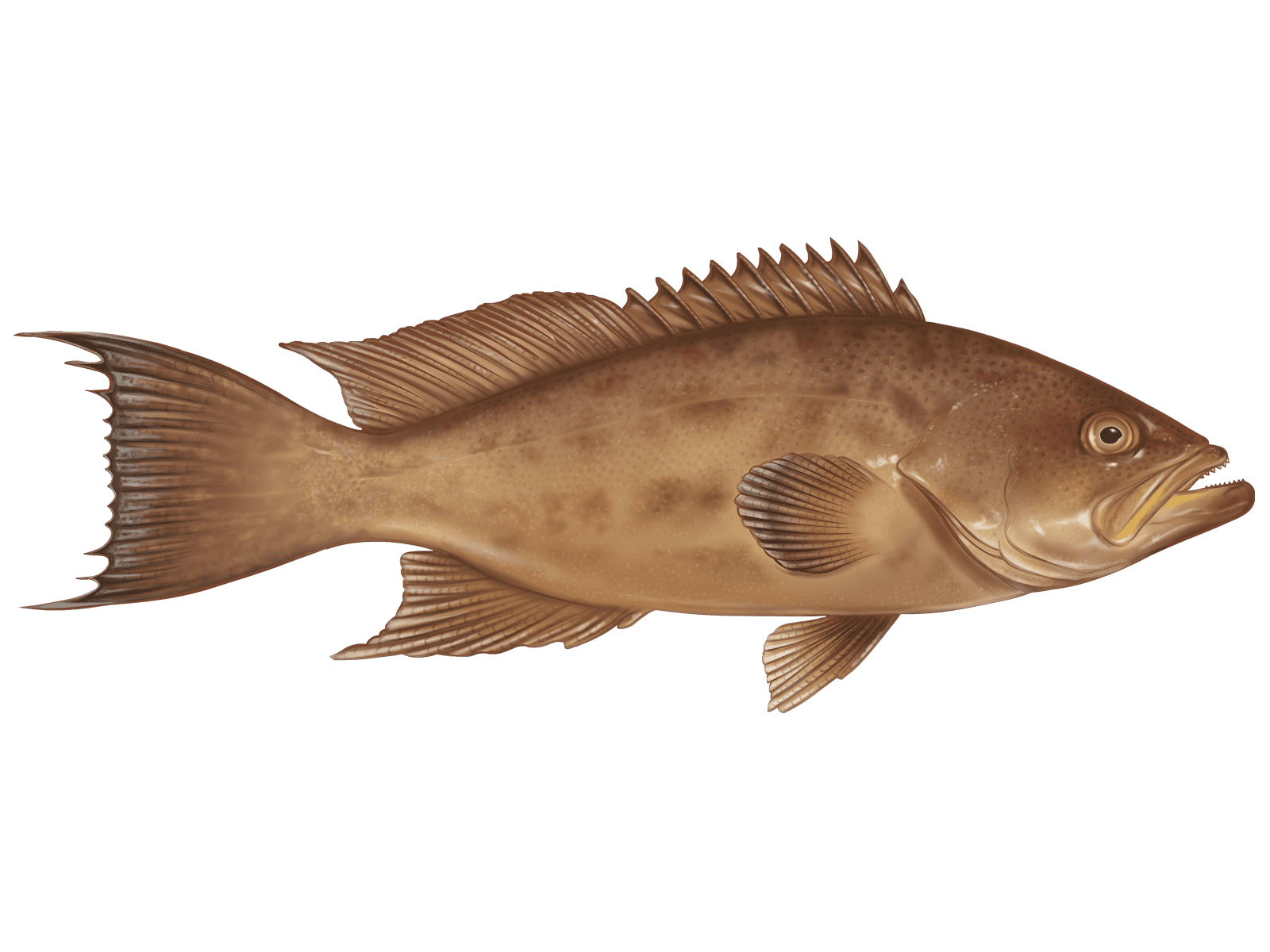
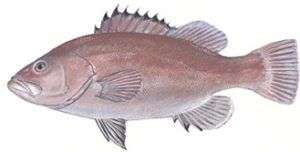
Snowy Grouper
Snowy grouper are one of our premier deep-water targets, living in 300-600 feet around rocky bottom structure. These copper-colored beauties with white spots average 30 pounds but can push 70. Season runs May through August with a one-fish-per-boat limit, so when you hook one, it's special. They're ambush predators that hit hard and fight dirty, using that big head and powerful body to try diving back to structure. The meat is outstanding - firm, white, and sweet. Electric reels are your friend at those depths because hand-cranking from 400+ feet will wear you out. I like using whole squid or bonito strips on chicken rigs with 5-pound leads. Once you feel that thump, set the hook hard and start pumping - they don't give up easy.
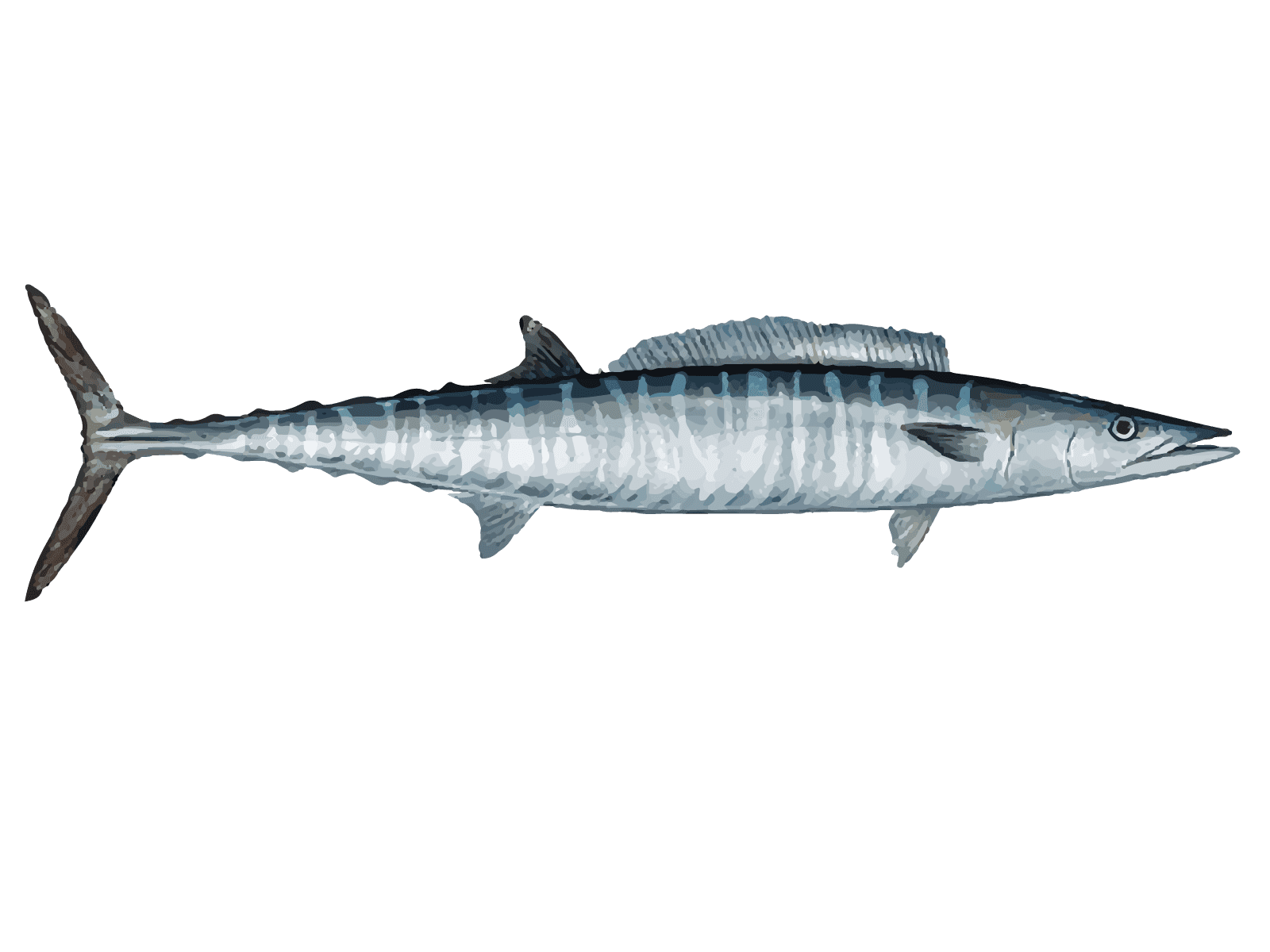
Wahoo Fish
Wahoo are the speed demons of the deep, hitting 60 mph when they want to. These sleek predators average 3-5 feet and pack serious muscle with that torpedo-shaped body. We find them in open water from the surface down to about 200 feet, often around floating debris or structure. Summer and fall are prime time here. What guests love is the initial run - nothing screams line off a reel like a hooked wahoo. The meat is top-shelf too, white and flaky with a mild taste that's perfect for the grill. My advice: use wire leaders because those razor-sharp teeth will slice through mono in a heartbeat. High-speed trolling around 12-15 knots with diving lures or ballyhoo works best. Once hooked, hold on tight.
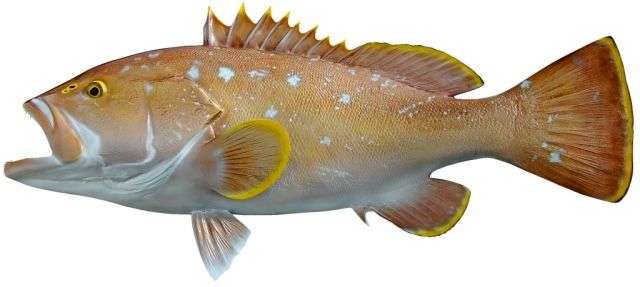
Yellowedge Grouper
Yellowedge grouper are the golden prize of deep-water fishing, easily recognized by those bright yellow fin edges. They average 20-30 pounds and live in 400-600 feet around reefs and hard bottom. These fish are homebodies - territorial and usually found alone guarding their spot. The meat is phenomenal, holding moisture better than most grouper with a unique flavor between bass and halibut. They're strong fighters that use the deep water pressure to their advantage. Best bet is live bait like squid or mackerel on heavy tackle - think 50-pound class gear. Since they're vulnerable to overfishing, regulations are strict, so handle them carefully. My trick: use multiple hooks on your rig because these fish are curious and often travel in small groups despite being solitary by nature.
About the World Cat
%2F%2Fusers%2Feddde512-c8aa-478b-970c-fff22fe14335%2Fboat_picture%2Fboat.jpg&w=1920&q=75)
Vehicle Guest Capacity: 6
Manufacturer Name: Yamaha
Maximum Cruising Speed: 53
Number of Engines: 2
Horsepower per Engine: 200

It was a great day on the water! The fishing was hard but they worked to find the fish! I’ll definitely be calling them again when I get back to FL!